
As weather setups evolve and seasonal summer heatwaves intensify across Georgia, monitoring your vehicle's health becomes a basic routine, not just a safety requirement. Sustained seasonal warmth accelerates mechanical component fatigue, depletes essential reservoirs, and places high structural demands on automotive systems operating under severe conditions. Overlooking this vital seasonal transition increases the risk of unexpected operational breakdowns, component dropouts, and significant tire degradation on burning highway infrastructure. Protecting your vehicle's configuration from these harsh climate conditions requires a systematic, defensive action plan.
Combating Extreme Heat and Heat Damage Protection
- Battery Check: Hot ambient conditions lead to rapid corrosion of the battery plates and electrolyte loss. Obtain an expert electrical diagnostic test to ensure your vehicle maintains consistent cranking output and prevents sudden roadside failure.
- Belts and Hoses: Severe weather conditions can cause rubber drive belts and fluid transfer lines to dry out, fracture, or distort, increasing the risk of alternator or the entire cooling array failure.
- Air Conditioning Check: Audit your interior climate control infrastructure now to identify small refrigerant leaks or restricted airflow, bypassing extended service center delays during peak summer demand.
- Thermal Shielding: Passenger cabin climates can easily exceed safe operating parameters even on moderately warm days. Deploying premium reflective sunshades shields advanced interior electronics and upholstery from permanent ultraviolet damage.
Tire Safety and Summer Performance Metrics
- Cold Inflation Calibration: Validate all tire pressure dynamics with a certified gauge when the units are completely "cold"—meaning the vehicle has remained stationary for at least 3 hours or has driven less than 1 mile.
- PSI Adherence: Carefully conform to the exact vehicle inflation targets listed on the driver-side door post or within the vehicle manual, avoiding the maximum thresholds printed on the tire sidewalls.
- Structural Inspections: Periodically monitor your tire footprint for visual indicators of heat stress, including sidewall cracking, irregular tread depth reductions, embedded objects, or dangerous casing bubbles.
- Load and Tire Alignment: Operating at high speeds or transporting oversized payloads can place intense stress on tire structures during heatwaves. Securing an expert alignment promotes uniform wear characteristics and enhances total vehicle safety.
Maximizing Fluid Health and Cooling System Integrity
- Cooling System Optimization: Ensure that the radiator core, water pump assembly, and thermostat unit match manufacturer standards. Implement high-quality coolant fluids with elevated boiling points to suppress overheating.
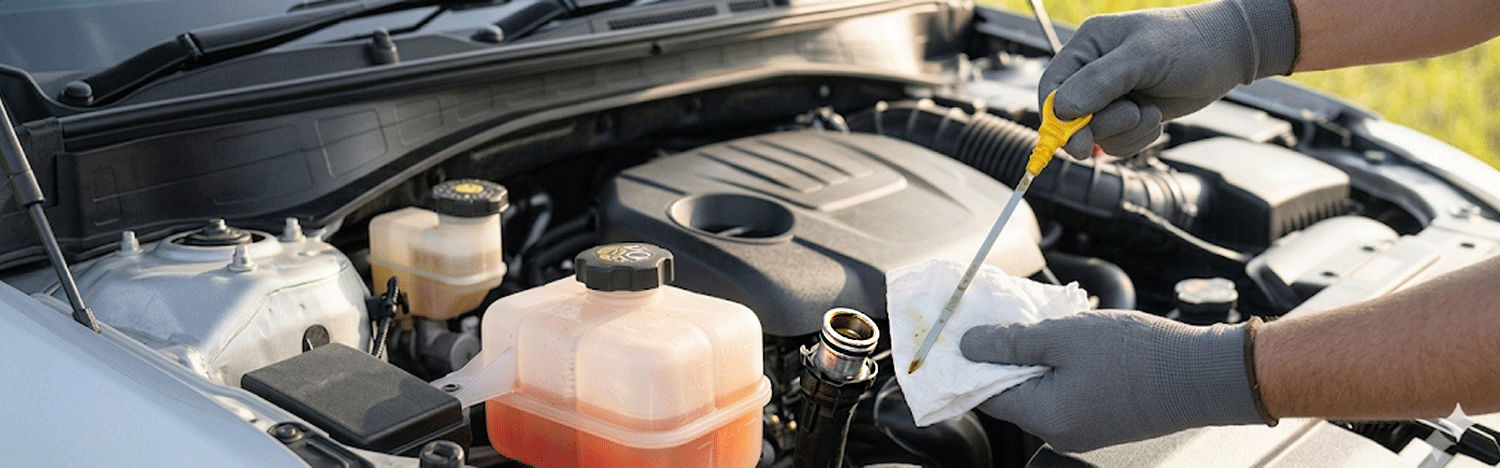
- Fluid Level Audits: Conduct thorough inspections of critical powertrain fluids—including engine oil, brake fluid, and transmission fluid—to verify they remain clean and at the correct operational levels.
- Visibility Refresh: Exchange wiper elements worn down by winter conditions to ensure optimal road visibility during heavy summer rain events and to ensure the windshield washer reservoir is fully filled.
- Rust Prevention: Wash the vehicle's undercarriage thoroughly to remove accumulated winter salt or road sand. Seal any exterior paint chips immediately to prevent humidity and high heat from causing rust.
Schedule Your Seasonal Service
Prevent extreme summer conditions from restricting your seasonal travel. Arrange a detailed vehicle health evaluation at the Gwinnett Place Ford Service Center today. Secure your service booking ahead of the mid-summer congestion to ensure your automobile operates flawlessly. Please reach out to us today for more details.